
Independent · source-linked · manufacturing-first
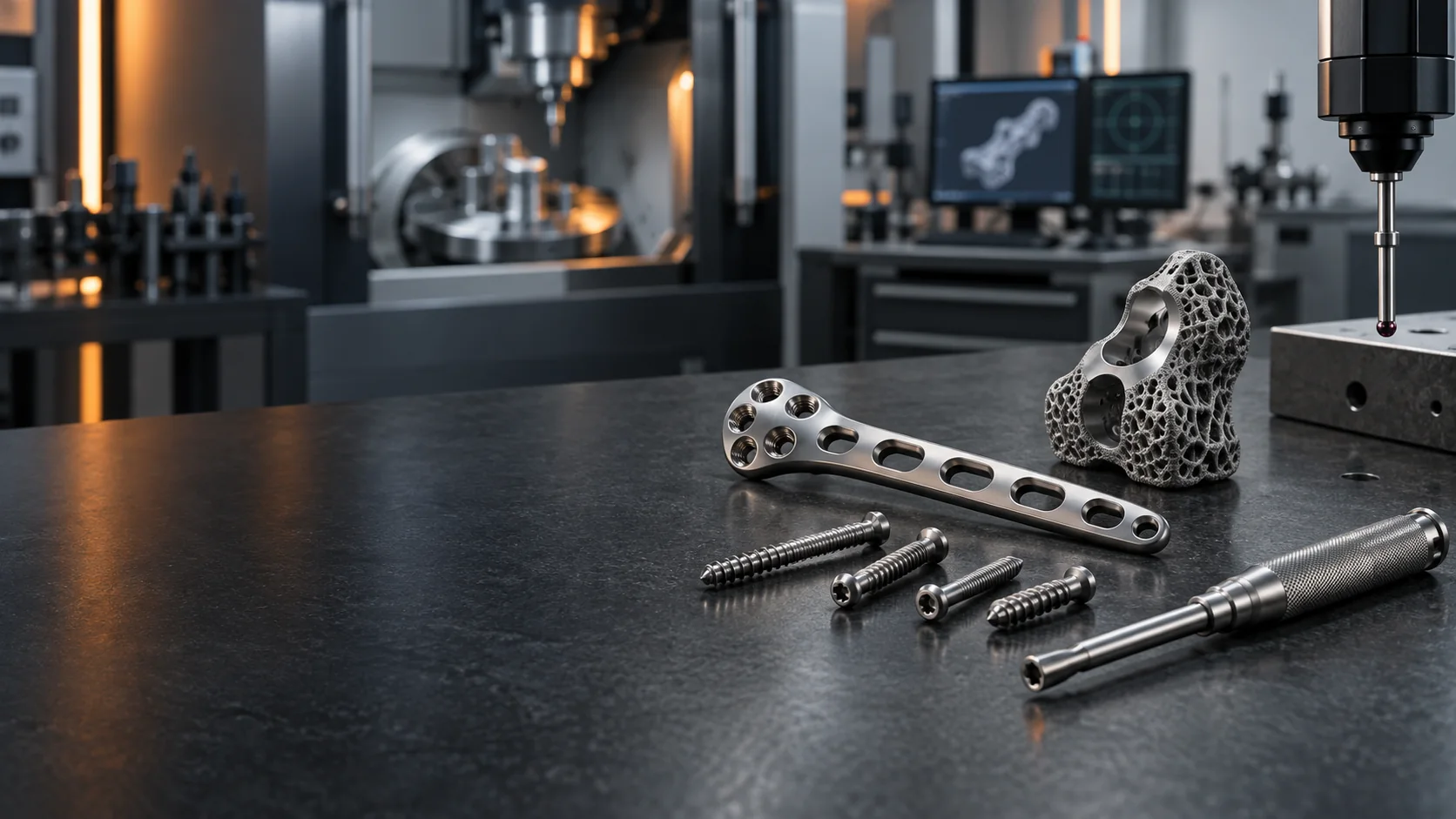
Additive manufacturing can create porous or patient-matched geometry that conventional cutting cannot produce directly. It also creates a longer evidence chain from digital build file to powder, machine state, post-processing and final verification.
FDA's manufacturing view
FDA's additive medical-device guidance addresses design and manufacturing considerations plus device testing. The agency notes that additive can create complex devices as a single piece, but the technology does not remove device-specific requirements or the need to validate the overall process.
The build is not the finished device
Support removal, heat treatment, hot isostatic pressing where applicable, machining, surface work and cleaning may follow printing. Each step can alter geometry, microstructure or surface condition. The released route should define the sequence and its acceptance evidence.
Control the digital thread
Build-file revision, orientation, support strategy, parameter set, machine identity, material lot and reused-feedstock rules can affect the result. Manufacturers need a governed route from design input to final device history rather than a folder of disconnected exports.
Inspection strategy
CT can reveal internal features, but resolution and artifact limits must be matched to the question. Surface and dimensional methods, coupons, mechanical testing and process monitoring may all contribute. Evidence is selected around risk and function, not around the newest instrument.
Move from research to the machine
Use the manufacturing context here, then compare machine platforms, values and supporting technology inside Machine Blue Book.
Continue the medical manufacturing map
Primary sources and verification
Official sources control current regulatory, product and company facts. MBB last checked these links on September 28, 2026.
Independent educational reference: Machine Blue Book is not affiliated with Arthrex, FDA, ISO or any manufacturer named on this page. Names are used descriptively and linked to primary sources. This material is not medical, legal, regulatory or clinical advice and does not recommend a device for patient care.